A guest column by our Founding Farmer, Michael Broadhurst.
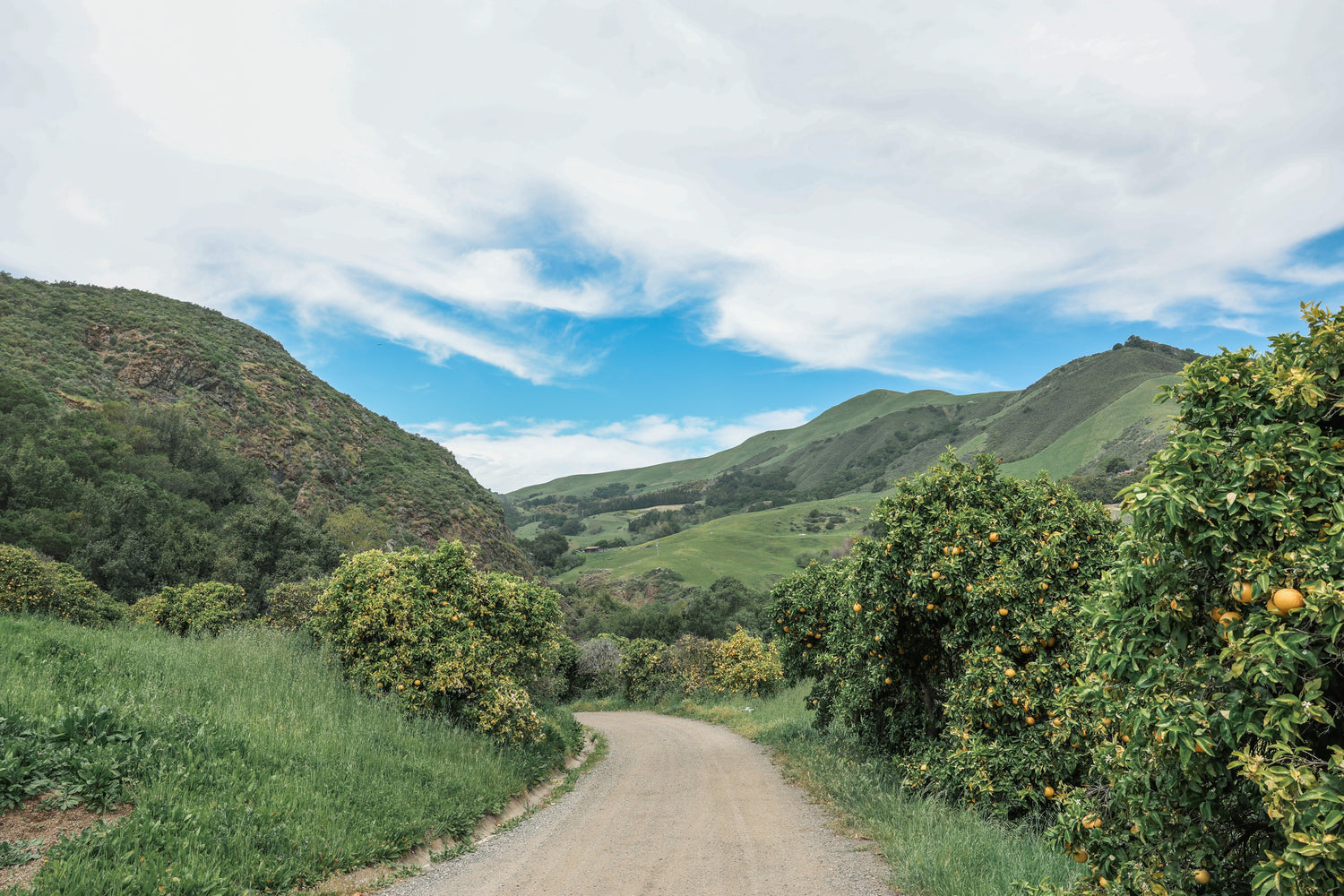
Our 30 acres bristle with life that changes with each season. Winter rains in coastal California encourage cool-season grasses. I write this in the spring with a view of enchanting green hillsides surrounding our home. Grasses tall by March, a microcosm of life lies beneath. Farmers notice tiny germinated broadleaf weeds that will dominate summer’s vegetation due to drought tolerance. Weeding becomes a constant chore as Spring moves along. Some broadleaves – poppies, lupine, wild peas – appear in spectacular displays. Hillsides fill with brilliant flowers March to May. Glistening webs cover slopes and ravines, attached dew reflecting the morning sun. The occupants of small holes beneath will not appear for half a year. The call of the red-winged blackbirds and shrill shriek of swallows dominate the air until the sun sets.
Alas, spring’s show disappears quickly in the warmth of summer. Hillsides brown, farmers begin the months-long slog of harvesting and selling produce. Long days made worthwhile by enjoyable conversations with appreciative customers at farmers markets, satisfying mountains of questions. Concerns over possible drawbacks for which customers are unable to get answers when the produce at supermarkets comes from who knows where.
Summer and fall pass quickly. The chore of weeding now protects scarce water resources for crops and reduces pesky weed seeds like foxtails. Warm weather days of fall remain long with irrigation, picking, necessary pruning, and selling the bounty. Slowly, almost imperceptibly, abundance disappears before cold weather and rain sets in, and nature’s cycle starts again. Many customers, who once delighted in superb and fresh local produce, are no longer satisfied with the often less attractive late-season fare and go back to supermarkets to find treated products that are mostly from offshore. They can buy virtually anything they want, any time of the year. How and why is this miracle possible?
**
In Connecticut supermarkets, while on a temporary assignment for two years beginning in 1981, I remember the bleak winter produce by California and today’s standards. There were potatoes, winter squash, carrots, onions, and some other crops that can be stored. Missing were peaches, pears, zucchini, and other fresh produce. Fresh herbs or tomatoes weren’t seen for months. Instead, shoppers found heavy, tough leaves of crinkly wintertime spinach. Also, broccoli, cauliflower from Florida, and stored apples that might have been grown locally. And bananas… Food companies long before learned to pick green Cavendish bananas in Central America and gas them with ethylene during shipping to get ripening going.
What’s changed then, to bring about this fabulous phenomenon of year-round produce? There are two main drivers. Cheap fuel and the disappearance of local diversified small farms. Let me set this up: When you buy zucchini at the supermarket do you know how it got there? Even in the summer months? Was it grown locally? Somewhere else in the U.S.? Overseas? How was it treated? Were pesticides used? Chemical Fertilizer? How far did it travel to get here? When was it picked? So many questions…
How many times have you been disappointed when you got home?
What if you buy the zucchini at a local farmer’s market? These questions go away, and, if you’re lucky, you can directly ask the farmer these questions and others. But the issues with what you buy at the supermarket go deeper, much deeper. Let me use this example since our farm sells Valencia oranges and their juice.
In her book, “Squeezed: What You Don’t Know About Orange Juice,” Alissa Hamilton lays out the transformation that has taken place in the commercial orange juice industry starting well before the 21st- Century. OJ comes from Florida and California. Everyone knows that. Right? Oh, no! The facts are that most of that juice you find in those ubiquitous half-gallon paper cartons on supermarket shelves comes from Brazil.
Juice squeezed there is either concentrated or pasteurized. If not concentrated, it’s deoxygenated so that it can be stored for up to a year, then shipped to the U.S. in multi-thousand-gallon containers before being put into those supermarket cartons. Most of the volatile components that give O.J. its flavor, feel in your mouth, and character are stripped off with the oxygen and water. So, when these containers arrive in the U.S. to be packaged, the big food companies add a cocktail of chemicals to the old deaerated juice in an attempt to make it resemble the original. Similar processes to those with cheap oranges are one reason other supermarket food seems like a bargain.
**
There’s the start of a second moral hiding in this story.
When we bought our farm, existing groves of oranges and grapefruit were ready to pick. Only one packing house was interested enough to look at the fruit. The grapefruit wasn’t worth their while. Too far to send a crew for 4 acres of grapefruit. But they said yes to the oranges. A picking crew showed up a week later, and that night I watched a truck with about 30,000 lbs. of oranges negotiate our bridge over Santa Rosa Creek. Two weeks later, I eagerly opened an envelope from the company. I was shocked to find a bill for picking costs and a letter explaining that the price for oranges for juice was $0.00…. Welcome to the industrial food system! is what I read.
The clear message of ‘don’t bother us’ is still lodged in my mind after 24 years. At that time, I dug into the statistics. When Dad farmed in the early 1950’s, the average size of a U.S. farm was about 140 acres according to census bureau statistics. This had increased to 400 acres by 1975.
The 1950 census says 23 % of farms reported $500 or less income, while 75% reported incomes between $500 and $10,000. If you can’t do the math to correct for inflation, that means that most farmers in America weren’t wealthy seventy-five years ago.
The Agricultural Research Service report of 12/31/24 showed that the mean household income among all farm households was $97,981. It exceeded the mean income for most U.S. households in 2023. Small family farms still accounted for 86% of all farms. Yet, a more study shows that 55% of all farms have a median household farm income of less than $10,000. This means that most of these small farmers have other sources of income, such as jobs in town. They continue to live on the land they love. Maybe they sell a bit of produce they grow mostly for family consumption. It also means that income for a relatively few big farms strongly influence the averages.
There’s much more to be said about this story, industrial food, and the demise of small farms. I’ll get to it.